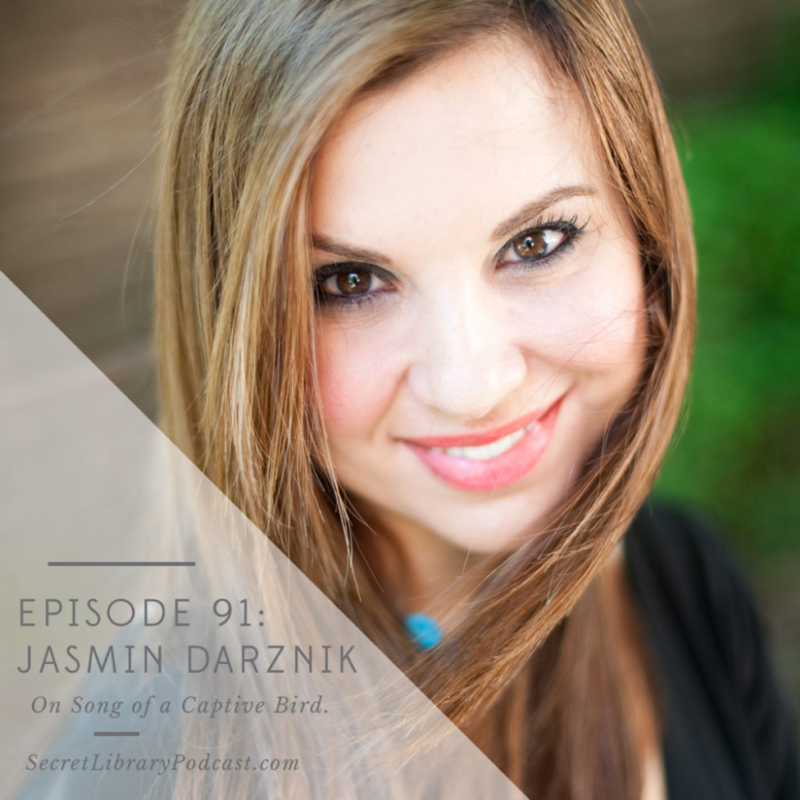
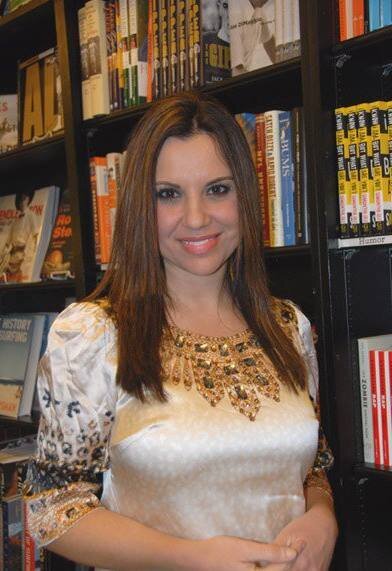
Jasmin Darznik is the New York Times bestselling author of The Good Daughter, Song of a Captive Bird, and The Bohemians. Her fourth book, American Goddess, about Rita Hayworth, is forthcoming in 2027 from Ballantine Books. Born in Tehran, she came to America at five and grew up in Marin County, where her parents ran a hotel. A first-generation college graduate, she earned a Ph.D. in English from Princeton University and an MFA in fiction from Bennington College. Drawing on archives, her work restores agency to women obscured, mythologized, or excluded from history. Her books appear in nineteen countries, and her essays in The New York Times, Washington Post, Atlantic, and many others. She previously chaired the MFA Program in Writing at California College of the Arts. Darznik now teaches in the MFA in Writing Program at the University of San Francisco, where also contribute to the program’s leadership and development. She lives in the Bay Area.
Meet Jasmin Darznik,
novelist, memoirist, and professor.
About Me

Hi, I'm jasmin!
The Good Daughter (2011), my memoir, began with a photograph that fell from a stack of letters—revealing my mother's hidden first marriage at age thirteen and the daughter she was forced to leave behind in Iran. A New York Times bestseller, it explores the secrets families keep and the unbreakable bonds between mothers and daughters across generations and continents.
The Good Daughter


Song of a Captive Bird (2018) tells the story of Forugh Farrokhzad, Iran's greatest female poet, who dared to write about desire, freedom, and women's lives in 1950s Tehran. A New York Times Book Review "Editors' Choice" and Los Angeles Times bestseller, it illuminates a woman whose work was banned and whose presses were burned, but whose voice could not be silenced..
Song of a Captive Bird
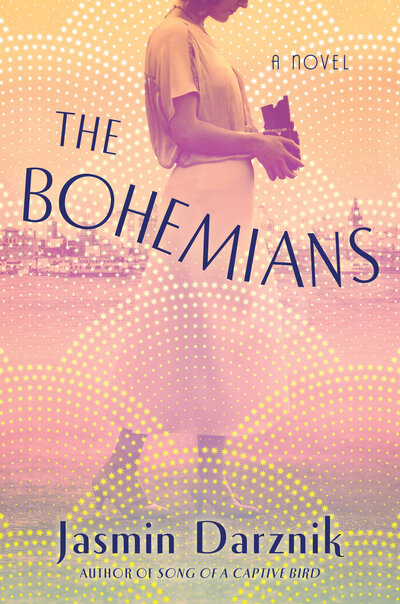
The Bohemians (2021) reimagines the friendship between photographer Dorothea Lange and her Chinese American assistant in 1920s San Francisco—a relationship the historical record never acknowledged. The New York Times Book Review called it one of the best books of summer 2021, and Oprah Daily named it one of the best historical novels of the year.
American Goddess imagines the life of Rita Hayworth, tracing her transformation from Margarita Cansino—a girl dancing in the nightclubs of Agua Caliente—to one of the most iconic women of the twentieth century. Drawing from years of archival research, the novel explores Hollywood mythmaking, reinvention, fame, and the hidden costs of becoming an American legend.
American Goddess
(Coming in 2027)
The Bohemians
Isabel Allende, Paula McClain, Sarah Waters
on my shelf
Sinatra, Elvis, Chris Isaak
music loves
Bookstores, vintage shops, nurseries
TAKE MY MONEY
West Marin, California
happy place
The 1920s, of course!
Favorite ERA
Your at-a-glance guide to where I stand on all the truly important things.
My Books
My Loves
Stories create spaces to remember and to dream. They show us who we've been, who we are, and what we can still become.
A FEW THINGS I BELIEVE:
But writing? Even as I hacked away at the challenges that came with being an immigrant, woman of color, and first-generation college graduate, it still seemed impossible. I was expected to do something practical. When I decided to get a PhD in American literature, it was as if I was planning to run away with the Grateful Dead. I did it anyway.
Graduate school was an education not only in books, but in new possibilities. Reading Maxine Hong Kingston’s The Woman Warrior and Zora Neale Hurston’s Dust Tracks on the Road, I found myself profoundly moved by the feeling these writers weren’t just telling me a story—they were telling me who they were.
Having grown up in a family where telling people who you were could be, and often was, regarded as a betrayal, these works were both a revelation and a provocation. That was a beginning, a very important one: to discover voices that spoke to me with an intimacy I rarely experienced in real life.
Still, I might never have crossed over from reading to writing if I hadn’t bumped into my parents’ next-door neighbor one afternoon when I was back home from graduate school. This was about fifteen years ago. We got to chatting and she told me she’d just published a book.
Writing seemed like such an exalted profession. I’d never known a writer in real life. And now, suddenly, I did: the woman next door. Thankfully, I had the presence of mind to ask my neighbor how she’d done it. She told me she’d enrolled in a creative writing workshop through our local independent bookstore, Book Passage, and that’s where she got her start.
That same day I walked over to Book Passage in Corte Madera, California and I signed up for a spot in the writer’s workshop my neighbor recommended. My classmates, mostly women, were strangers to me, people I’d likely never have met in any other context, even though ours was a small community. But once a week, Fridays, 6 to 9 pm, we were kin, bound together by our common love of stories and an urgent, if muted, desire to be speak and to be seen.
For two years, I showed up at that workshop every Friday night, pages in hand, heart kicking against my chest as I read for my allotted ten minutes. It was a time of discovery, in some ways the sweetest time of my writing life so far. I wasn’t writing to publish anything, though that might have shimmered as a distant dream; I was wholly taken up by the urge to make something beautiful and connect with others through stories.
I wasn’t supposed to be a writer. Nothing in my first-generation immigrant background supported it, and so much impeded it. Still, I was a reader. As a child I left my small town library with novels stacked up to my chest and under my chin. I’d go home and luxuriate in the possibility of disappearing into different worlds. Beyond that was the twenty-room motel my parents bought when we came to America, a place of struggle and uncertainty.
My Story
Want to know how I started writing?
Books were my lifeline.
Hold up! I thought.
That's what got me started-
and what keeps me going to this day.
Hold up! I thought.
Next
INVESTMENT BEGINS AT $1200
Sed quia non numquam eius modi tempora incidunt ut labore et dolore magnam aliquam quaerat voluptatem. Ut enim ad minima veniam, quis nostrum exercitationem ullam corporis suscipit laboriosam, nisi ut aliquid ex ea commodi consequatur?
Engagement Portraits
02
Experience / Investment
Next
INVESTMENT BEGINS AT $3500
Sed quia non numquam eius modi tempora incidunt ut labore et dolore magnam aliquam quaerat voluptatem. Ut enim ad minima veniam, quis nostrum exercitationem ullam corporis suscipit laboriosam, nisi ut aliquid ex ea commodi consequatur?
Elopements
03
Experience / Investment
INSPIRATIONS
There comes a point when the secrets you've kept hidden, or that have been kept from you, become the stories you must tell. My writing stems from my experience as an immigrant, woman of color, and life-long student of women's stories. In my process, I comb through the archives, drawing on my imagination to illuminate the past and reveal the ingenuity and resilience of women throughout history.
-ISABEL ALLENDE
“Write what should not be forgotten.”
I can't imagine life without books. I always have at least two or three going at the same time.
Books
i love to get lost in:

Secrets and silences can guide us to truer stories about the past.
History
i'm fascinated by:

I'm always up for a ramble through the woods or a drive along the coast.
Nature
my happy place is:

In the "cool grey city of love," every street tells a story.
San Francisco
my favorite city is:

What's more fortifying than the love of your women friends?
Friendship
i'm so grateful for:

Exploring the splendors of visual art sparks my imagination.
Art
i'll never get tired of:

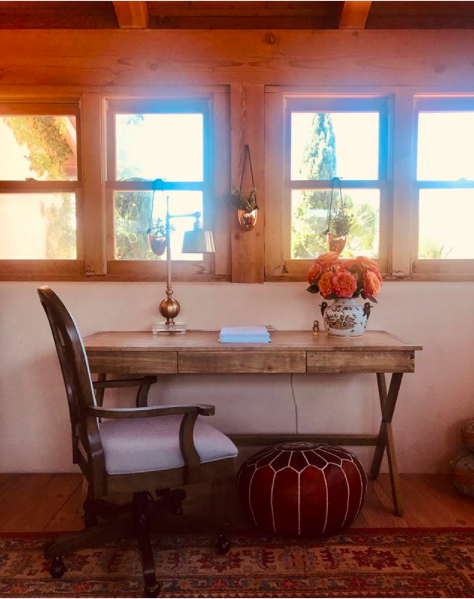
This room is my haven. There's an abundance of natural light and the windows look out onto a nearby mountain. The wooden beams and big nubby carpet give it the feeling of a cabin. There's a shelf filled with all my favorite books and small treasures like a hand-sewn doll my grandmother made me. When I walk in here early in the morning with a cup of coffee, this space feels both peaceful and alive with possibility.
my Writing Studio
vintage love
and I often wonder if I would have become a writer without that experience. There's something about immigration that's taught me to be "first-class noticer," which was Saul Bellow's requirement for a writer. Because I always feel a little (or more) outside of things, people, places, and languages hold a wonderful strangeness for me. Writing is where I try to make sense of all that.
watch me tell my story of coming to America
I came to America as a child,
PREV
/ NEXT
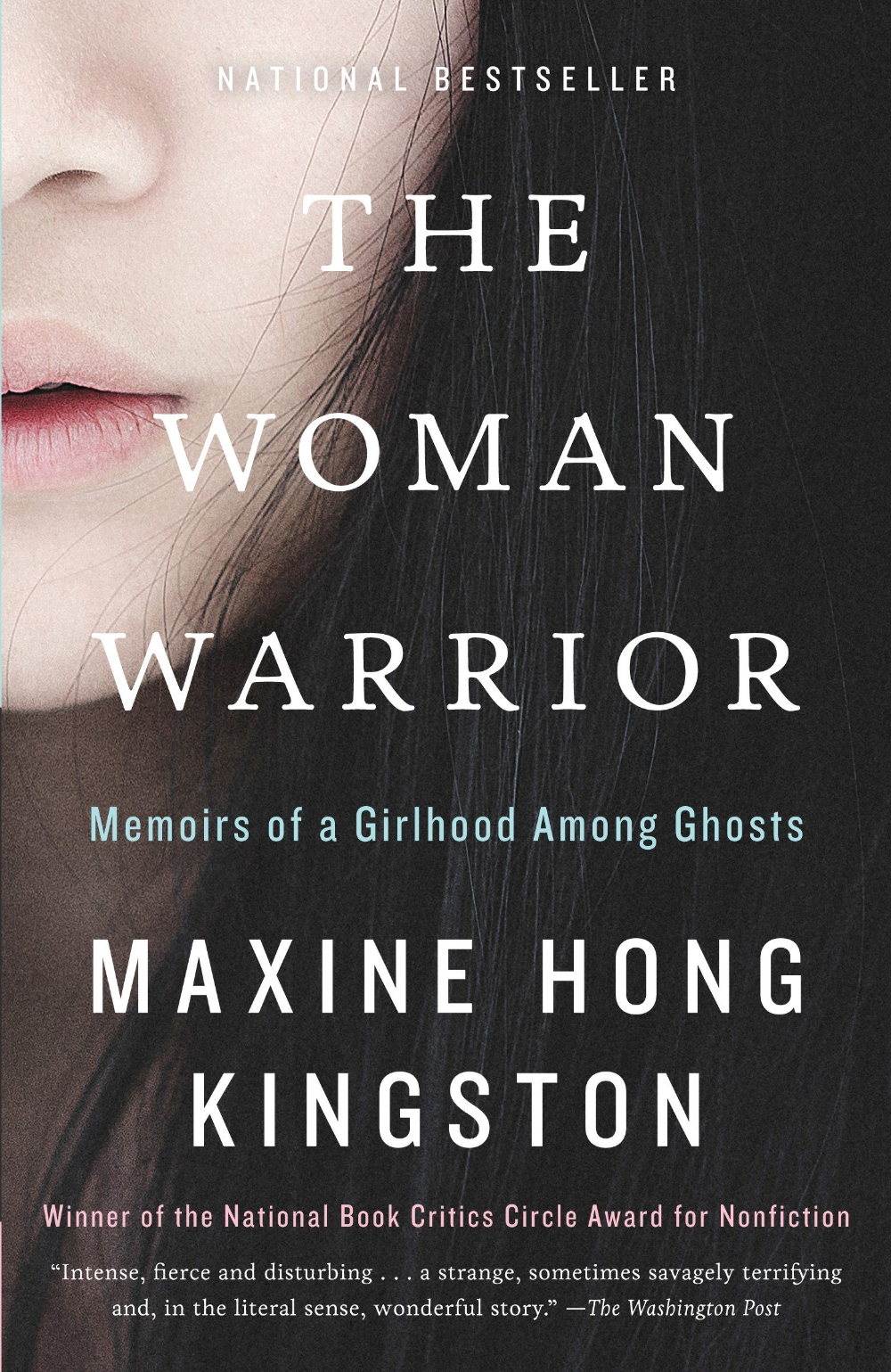
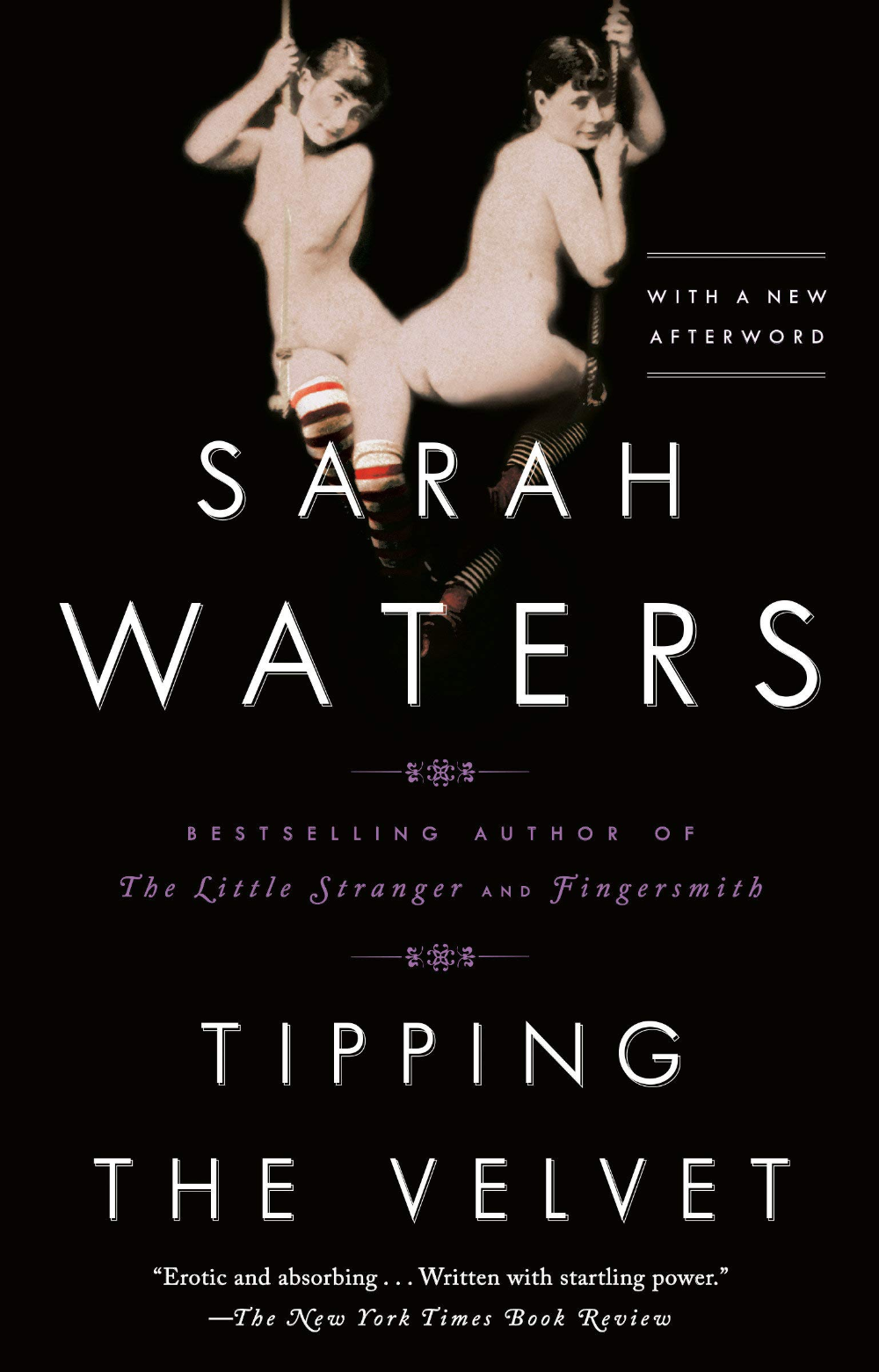
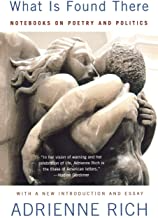
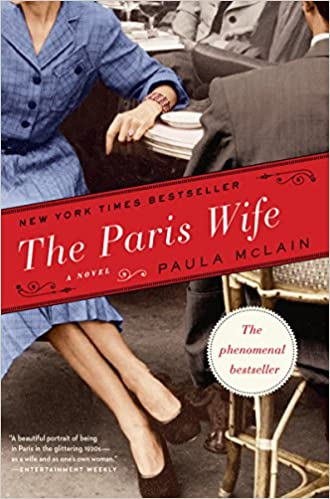
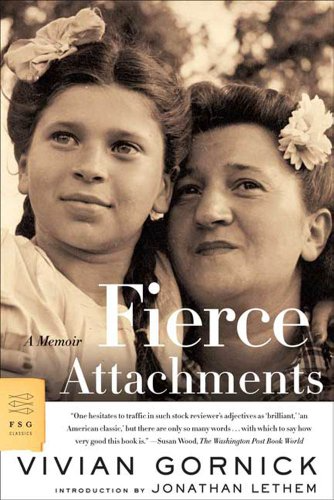
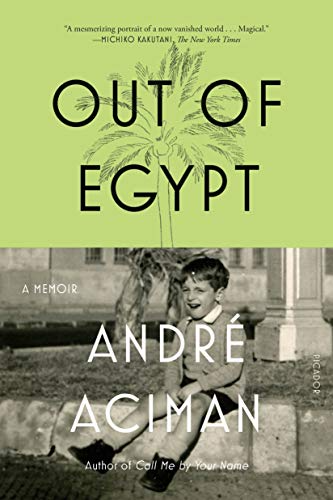
TEN FAVORITE BOOKS



A Guide to Bohemian San Francisco
Sign up for my newsletter and I'll immediately send you A Guide to Bohemian San Francisco, an introduction to one of the City's most enchanting eras. You’ll also get my (charming! occasional! exclusive!) newsletter on all things books and writing, plus a sneak peek into current projects, first access to new releases, upcoming events, and giveaways.
